Buy qfa.eu ?
We are moving the project
qfa.eu .
Are you interested in purchasing the domain
qfa.eu ?
domain@kv-gmbh.de · 0541-91531010
Buy qfa.eu ?
Do you say Istanbul or Constantinople?
Both Istanbul and Constantinople are used to refer to the same city, but Istanbul is the modern and official name of the city in Turkey. Constantinople was the city's name during the Byzantine Empire and for centuries afterwards. Today, Istanbul is the commonly accepted name for the city in everyday conversation and in official contexts. **
Did Constantinople end the Middle Ages?
Constantinople's fall in 1453 to the Ottoman Empire is often seen as a symbolic end to the Middle Ages. The fall of the city marked the end of the Byzantine Empire, which had been a key player in the medieval world. The event also had significant repercussions on trade, culture, and politics in Europe, leading to the beginning of the Renaissance period. While it did not single-handedly end the Middle Ages, the fall of Constantinople was a significant event that contributed to the transition from the medieval to the early modern period. **
Similar search terms for Constantinople
Top-Angebote
Products related to Constantinople:
-
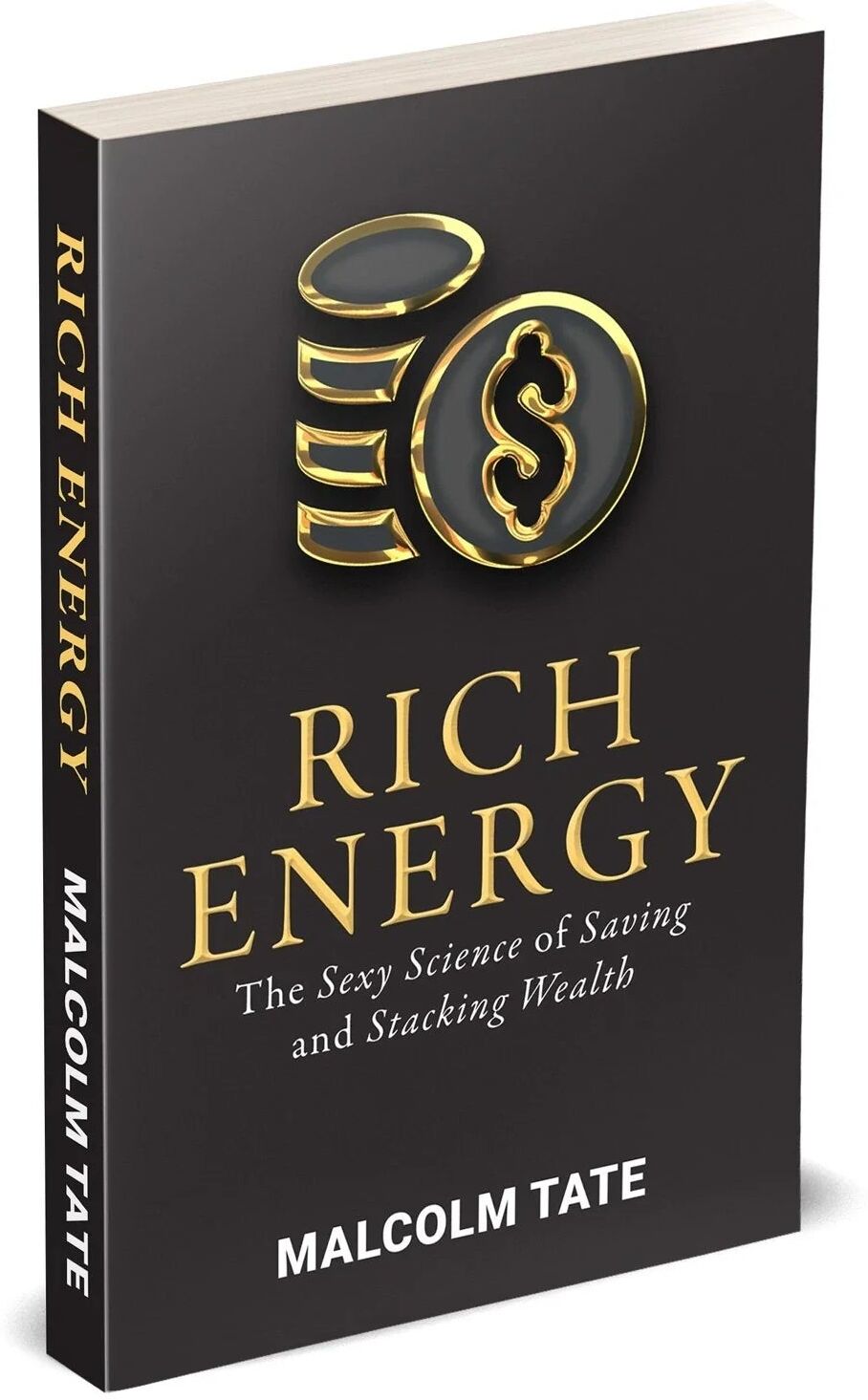
Rupa Publications RICH ENERGY: The Sexy Science of Saving & Stacking Wealth by Malcolm Tate - Paperback - Personal Finance & Money Mindset BookRich Energy: The Sexy Science of Saving; Stacking Wealth by Malcolm Tate is a contemporary take on personal finance that treats money as a mindset rather than a magic trick. Author Malcolm Tate reframes saving, spending, and investing as everyday habits rather than distant goals, giving readers a confident and accessible entry point into building lasting financial wellbeing without the jargon or judgment usually attached to money advice. This paperback book approaches personal finance as a lifestyle upgrade, focusing on the psychology behind spending triggers, the quiet discipline behind consistent saving, and the confidence that comes from understanding your financial situation. Published by Rupa Publications, this book offers a fresh perspective on managing your finances and achieving financial stability.2,99 £*Shipping: 2,99 £Secure redirect to the provider
-
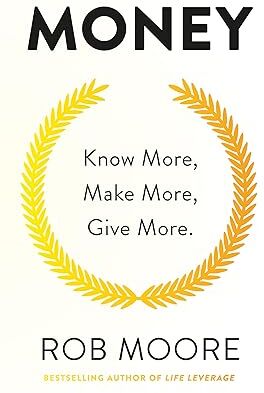
John Murray One Money: Know More, Make More, Give More by Rob Moore - Personal Finance Paperback - New - Practical Guide to Building WealthA straight-talking guide to financial independence, 'Money: Know More, Make More, Give More' by Rob Moore is ideal for aspiring entrepreneurs, first-time investors, or anyone looking to change their approach to earning, saving, and growing their money. Rob Moore, a self-made multi-millionaire and property investor, distills years of experience into a practical roadmap that breaks down the real rules of the money game. He argues that financial success is not down to luck or a single big break, but rather a game with knowable rules that can be understood and followed. This brand-new paperback is a must-read for anyone looking to take control of their finances and achieve financial independence.7,99 £*Shipping: 2,99 £Secure redirect to the provider
-
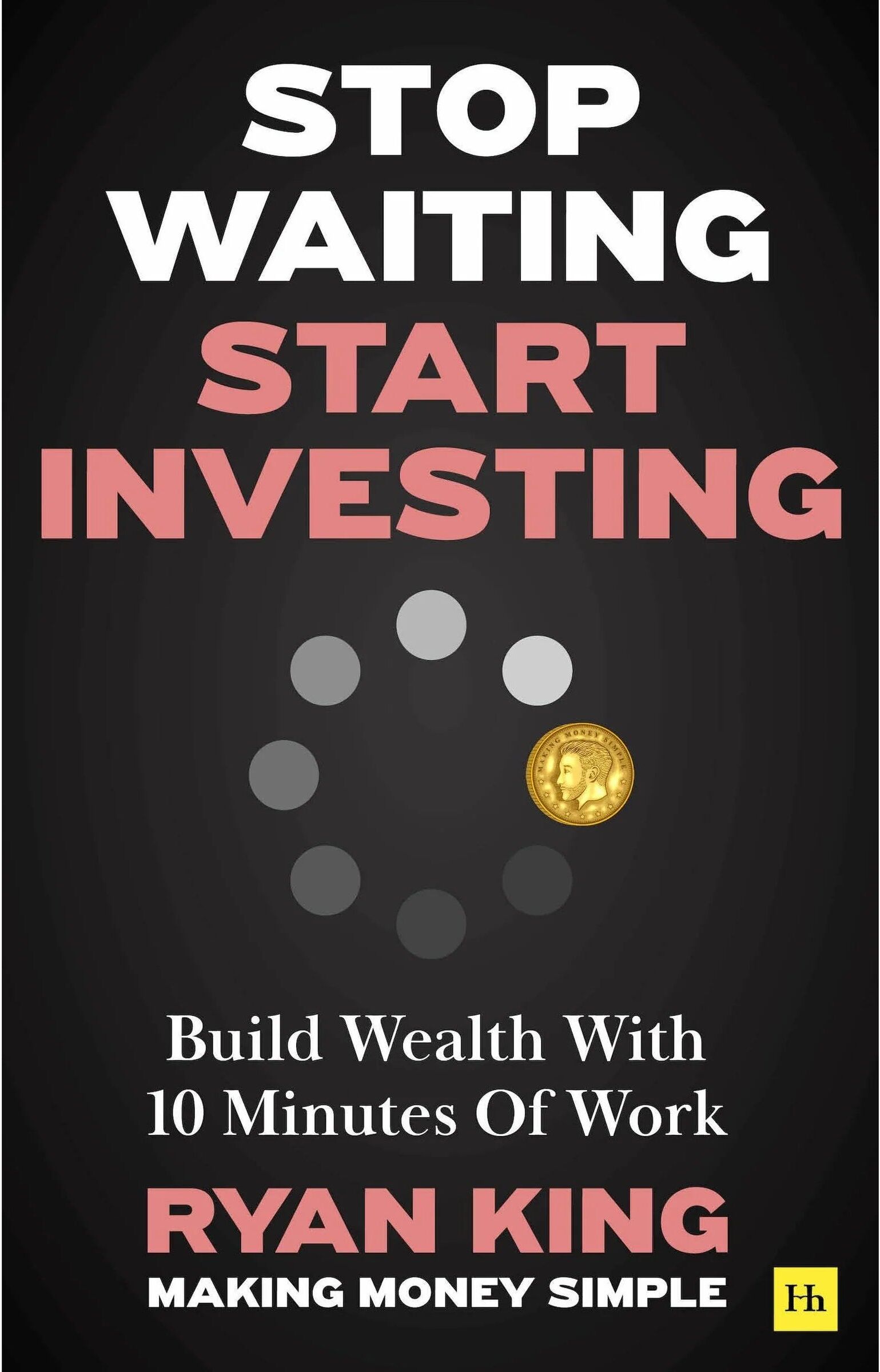
Harriman House Stop Waiting, Start Investing by Ryan King - Paperback Investing Guide - Build Wealth With 10 Minutes Of Work - Personal Finance BookBuild wealth with just 10 minutes of work a day using the stock market with this practical guide. Written by finance content creator and chartered accountant Ryan King, the book offers a simple, passive, automated approach to investing that fits around a busy life. Whether you're starting from scratch or refining an existing strategy, you'll be given the tools and confidence to take control of your financial future. This book directly addresses common hesitations about investing, guiding you step by step through the fundamentals of stock market investing in clear, accessible language. Ryan King draws on his own experience and expertise to provide a beginner-friendly guide to building long-term wealth.11,99 £*Shipping: 2,99 £Secure redirect to the provider
-
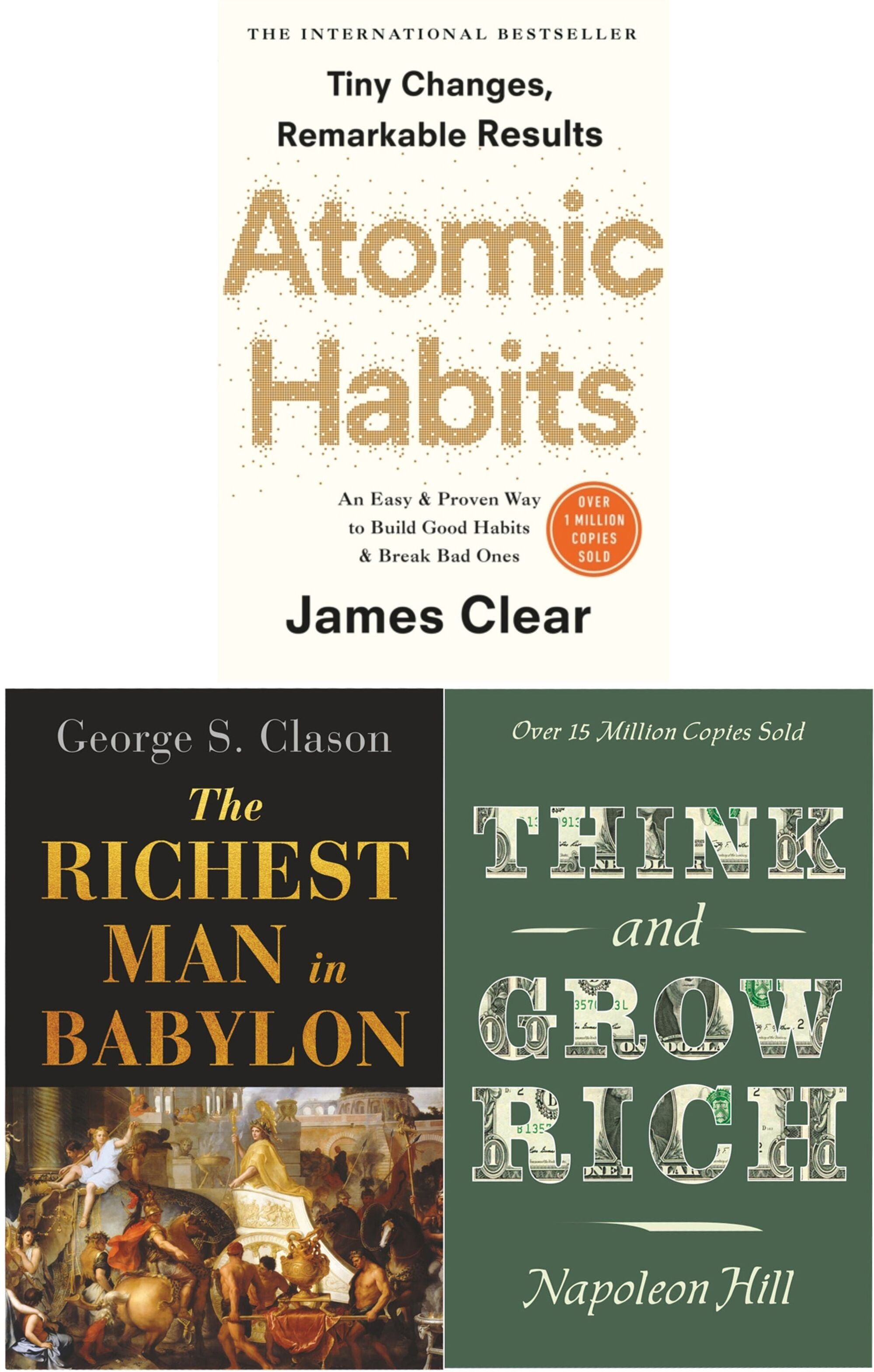
Cornerstone/Wilco Atomic Habits, The Richest Man in Babylon & Think and Grow Rich – 3 Book Collection Set Personal Finance, Wealth & Self-Development ClassicsTransform your habits, mindset, and financial future with this powerful 3-book collection set, featuring three of the most influential books on success, wealth, and personal growth. This essential bundle includes: Atomic Habits by James Clear – Discover how small, consistent habits can lead to extraordinary results and lasting success. The Richest Man in Babylon by George S. Clason – Learn timeless principles of saving, investing, and building wealth through simple financial wisdom. Think and Grow Rich by Napoleon Hill – Unlock the mindset and strategies behind achievement, success, and financial independence. Together, these books provide a complete guide to building better habits, mastering your finances, and developing a success-driven mindset. Ideal for entrepreneurs, professionals, students, and anyone looking to improve their life. Why Readers Love This Collection: Includes 3 bestselling self-help and finance classics Covers habits, wealth-building, and success mindset Practical, timeless advice for real-life results Suitable for beginners and experienced readers Perfect gift for motivation and personal growth A must-have bundle for anyone serious about success, this collection offers proven strategies for achieving long-term growth and financial freedom.14,99 £*Shipping: 2,99 £Secure redirect to the provider
-
Do the Greeks call Istanbul Constantinople?
No, the Greeks do not call Istanbul Constantinople. The city was known as Constantinople during the Byzantine Empire, but after the Ottoman conquest in 1453, it was renamed Istanbul. Today, both Greeks and Turks refer to the city as Istanbul. **
-
Why did the Ottomans conquer Constantinople?
The Ottomans conquered Constantinople in 1453 in order to expand their empire and establish control over the lucrative trade routes that passed through the city. Additionally, capturing Constantinople allowed the Ottomans to solidify their power in the region and establish themselves as a major world power. The conquest of Constantinople also marked the end of the Byzantine Empire and the beginning of the Ottoman Empire's dominance in the region. **
-
Why did the Crusaders attack Constantinople?
The Crusaders attacked Constantinople in 1204 during the Fourth Crusade because they were diverted from their original mission to recapture Jerusalem and were instead persuaded by the Venetians to attack the Byzantine Empire. The Venetians had financial interests in the region and saw an opportunity to weaken their commercial rival, the Byzantines. Additionally, the Crusaders were promised financial and military support by the deposed Byzantine prince Alexios IV, who sought to reclaim the throne from his uncle. This combination of financial incentives and political maneuvering led the Crusaders to turn against Constantinople. **
-
How tall were the walls of the city of Constantinople?
The walls of the city of Constantinople were approximately 12 meters (40 feet) high and 5-6 meters (16-20 feet) thick. They were made of stone and brick, reinforced with towers and other defensive structures. These formidable walls played a crucial role in protecting the city from numerous sieges throughout its history. **


How did Fatih Sultan Mehmed Han manage to conquer Constantinople?
Fatih Sultan Mehmed Han managed to conquer Constantinople by employing a combination of military strategy, advanced weaponry, and determination. He utilized a massive army, including infantry, cavalry, and artillery, to besiege the city for nearly two months. Mehmed also ordered the construction of a massive cannon, known as the "Basilica," which was used to breach the city's walls. Additionally, he strategically positioned his troops and ships to cut off the city's supply routes and prevent reinforcements from arriving. Ultimately, Mehmed's relentless determination and innovative military tactics allowed him to capture Constantinople on May 29, 1453, marking the end of the Byzantine Empire and the beginning of the Ottoman Empire. **
Was it prophesied in the Quran that Constantinople will be conquered?
Yes, it is believed that the Quran prophesied the conquest of Constantinople. In Surah Ar-Rum (30:1-4), it is mentioned that the Romans will be victorious within a few years. This victory is interpreted by many Muslims as referring to the conquest of Constantinople by the Ottoman Empire in 1453. This event is seen as a fulfillment of the Quranic prophecy. **
Top-Angebote
Products related to Constantinople:
-
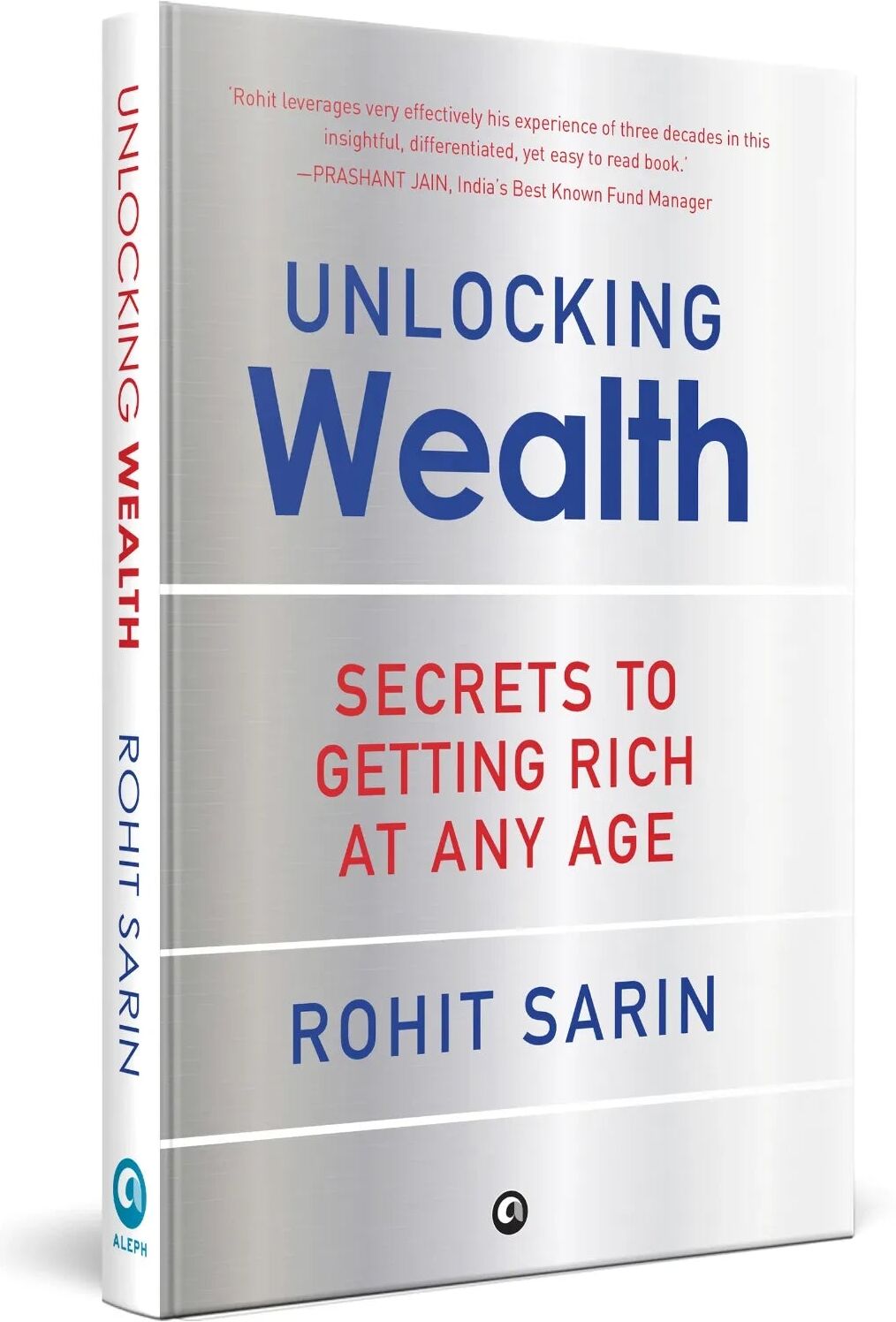
Unlocking Wealth: Secrets to Getting Rich at Any Age by Rohit Sarin - Personal Finance Hardback - Aleph Book Company -Unlocking Wealth: Secrets to Getting Rich at Any Age by Rohit Sarin is a practical guide to building lasting financial security. Written by wealth management veteran Rohit Sarin, this book draws on nearly three decades of advising some of India's wealthiest families. Sarin breaks down the mindset, habits, and strategies that separate those who build real wealth from those who don't. The book offers clear, actionable guidance on smart saving habits, sound investment principles, calculated risk-taking, and the psychological traps that keep people from building real wealth. Whether you're starting your career or already managing a substantial portfolio, this hardback provides useful insights for anyone looking to build lasting financial security.2,99 £*Shipping: 2,99 £Secure redirect to the provider
-
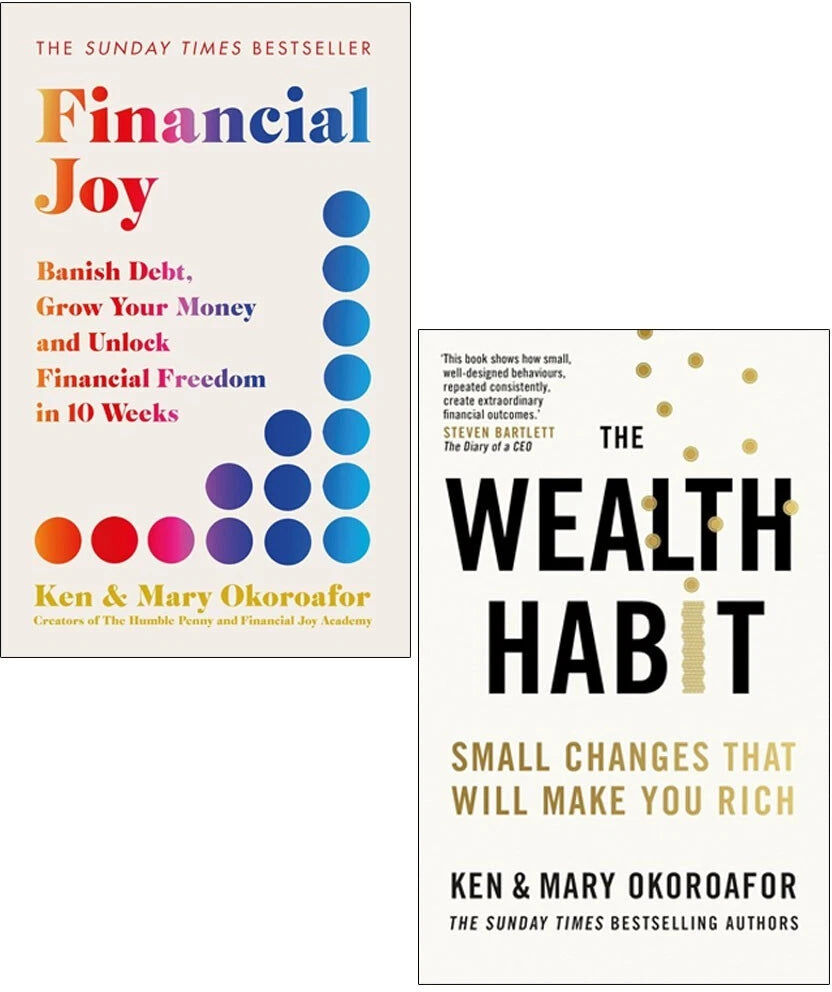
Quercus Publishing Financial Joy & The Wealth Habit by Ken & Mary Okoroafor - Paperback 2 Book Set - Personal Finance & Money HabitsAchieve financial freedom with this two-book collection by Ken and Mary Okoroafor. The set includes 'Financial Joy' and 'The Wealth Habit', two paperbacks that offer a complete roadmap to financial independence. Written from the authors' lived experience, this collection combines practical budgeting steps with small daily habits that compound into lasting wealth. The authors, founders of The Humble Penny and The Financial Joy Academy, share the strategies they used to pay off their mortgage and achieve financial independence by age 34. This set is ideal for anyone starting or restarting their money journey, and provides a life-changing plan to help readers turn their finances around while still enjoying life.13,99 £*Shipping: 2,99 £Secure redirect to the provider
-
Rupa Publications RICH ENERGY: The Sexy Science of Saving & Stacking Wealth by Malcolm Tate - Paperback - Personal Finance & Money Mindset BookRich Energy: The Sexy Science of Saving; Stacking Wealth by Malcolm Tate is a contemporary take on personal finance that treats money as a mindset rather than a magic trick. Author Malcolm Tate reframes saving, spending, and investing as everyday habits rather than distant goals, giving readers a confident and accessible entry point into building lasting financial wellbeing without the jargon or judgment usually attached to money advice. This paperback book approaches personal finance as a lifestyle upgrade, focusing on the psychology behind spending triggers, the quiet discipline behind consistent saving, and the confidence that comes from understanding your financial situation. Published by Rupa Publications, this book offers a fresh perspective on managing your finances and achieving financial stability.2,99 £*Shipping: 2,99 £Secure redirect to the provider
-
John Murray One Money: Know More, Make More, Give More by Rob Moore - Personal Finance Paperback - New - Practical Guide to Building WealthA straight-talking guide to financial independence, 'Money: Know More, Make More, Give More' by Rob Moore is ideal for aspiring entrepreneurs, first-time investors, or anyone looking to change their approach to earning, saving, and growing their money. Rob Moore, a self-made multi-millionaire and property investor, distills years of experience into a practical roadmap that breaks down the real rules of the money game. He argues that financial success is not down to luck or a single big break, but rather a game with knowable rules that can be understood and followed. This brand-new paperback is a must-read for anyone looking to take control of their finances and achieve financial independence.7,99 £*Shipping: 2,99 £Secure redirect to the provider
-
Do you say Istanbul or Constantinople?
Both Istanbul and Constantinople are used to refer to the same city, but Istanbul is the modern and official name of the city in Turkey. Constantinople was the city's name during the Byzantine Empire and for centuries afterwards. Today, Istanbul is the commonly accepted name for the city in everyday conversation and in official contexts. **
-
Did Constantinople end the Middle Ages?
Constantinople's fall in 1453 to the Ottoman Empire is often seen as a symbolic end to the Middle Ages. The fall of the city marked the end of the Byzantine Empire, which had been a key player in the medieval world. The event also had significant repercussions on trade, culture, and politics in Europe, leading to the beginning of the Renaissance period. While it did not single-handedly end the Middle Ages, the fall of Constantinople was a significant event that contributed to the transition from the medieval to the early modern period. **
-
Do the Greeks call Istanbul Constantinople?
No, the Greeks do not call Istanbul Constantinople. The city was known as Constantinople during the Byzantine Empire, but after the Ottoman conquest in 1453, it was renamed Istanbul. Today, both Greeks and Turks refer to the city as Istanbul. **
-
Why did the Ottomans conquer Constantinople?
The Ottomans conquered Constantinople in 1453 in order to expand their empire and establish control over the lucrative trade routes that passed through the city. Additionally, capturing Constantinople allowed the Ottomans to solidify their power in the region and establish themselves as a major world power. The conquest of Constantinople also marked the end of the Byzantine Empire and the beginning of the Ottoman Empire's dominance in the region. **
Similar search terms for Constantinople
-
Harriman House Stop Waiting, Start Investing by Ryan King - Paperback Investing Guide - Build Wealth With 10 Minutes Of Work - Personal Finance BookBuild wealth with just 10 minutes of work a day using the stock market with this practical guide. Written by finance content creator and chartered accountant Ryan King, the book offers a simple, passive, automated approach to investing that fits around a busy life. Whether you're starting from scratch or refining an existing strategy, you'll be given the tools and confidence to take control of your financial future. This book directly addresses common hesitations about investing, guiding you step by step through the fundamentals of stock market investing in clear, accessible language. Ryan King draws on his own experience and expertise to provide a beginner-friendly guide to building long-term wealth.11,99 £*Shipping: 2,99 £Secure redirect to the provider
-
Cornerstone/Wilco Atomic Habits, The Richest Man in Babylon & Think and Grow Rich – 3 Book Collection Set Personal Finance, Wealth & Self-Development ClassicsTransform your habits, mindset, and financial future with this powerful 3-book collection set, featuring three of the most influential books on success, wealth, and personal growth. This essential bundle includes: Atomic Habits by James Clear – Discover how small, consistent habits can lead to extraordinary results and lasting success. The Richest Man in Babylon by George S. Clason – Learn timeless principles of saving, investing, and building wealth through simple financial wisdom. Think and Grow Rich by Napoleon Hill – Unlock the mindset and strategies behind achievement, success, and financial independence. Together, these books provide a complete guide to building better habits, mastering your finances, and developing a success-driven mindset. Ideal for entrepreneurs, professionals, students, and anyone looking to improve their life. Why Readers Love This Collection: Includes 3 bestselling self-help and finance classics Covers habits, wealth-building, and success mindset Practical, timeless advice for real-life results Suitable for beginners and experienced readers Perfect gift for motivation and personal growth A must-have bundle for anyone serious about success, this collection offers proven strategies for achieving long-term growth and financial freedom.14,99 £*Shipping: 2,99 £Secure redirect to the provider
-
When Genius Failed: The Rise and Fall of Long-Term Capital Management by Roger Lowenstein - Fourth Estate Paperback - Business & Finance Non FictionWhen Genius Failed is Roger Lowenstein's gripping account of the rise and collapse of Long-Term Capital Management, the hedge fund run by Wall Street legend John Meriwether and staffed with Nobel Prize-winning economists. This book, published by Fourth Estate, is a brand-new UK paperback that traces how a fund once considered infallible nearly brought down the global financial system, offering lessons on risk, leverage, and hubris for investors, students, and readers alike. In the mid-1990s, Long-Term Capital Management was the envy of Wall Street. Founded by bond trader John Meriwether and backed by brilliant minds, the fund promised sophisticated mathematical models delivering consistent returns. For a time, it delivered spectacularly, attracting billions from banks, pension funds, and individuals. This book takes readers inside the world of high finance, revealing the story of a fund that was once considered infallible, but ultimately failed.2,99 £*Shipping: 2,99 £Secure redirect to the provider
-
The Readers Paradise Psychology of Money Mindset & Psychology of Management 2 Books Set by Dr. N. Gosain & Sanchit Khullar - Paperback - Finance & LeadershipThis 2-book collection set pairs two accessible psychology-led guides for adult readers who want to understand themselves and the people around them better. The Psychology of Money Mindset explores the emotional side of financial decision-making, while The Psychology of Management delves into the human dynamics behind effective leadership. Together, they offer a practical toolkit for building healthier money habits and stronger workplace relationships, making this an ideal purchase for personal development or as a gift for adult readers. The books are in brand new condition, published by The Readers Paradise, and are available in paperback format.8,99 £*Shipping: 2,99 £Secure redirect to the provider
-
Why did the Crusaders attack Constantinople?
The Crusaders attacked Constantinople in 1204 during the Fourth Crusade because they were diverted from their original mission to recapture Jerusalem and were instead persuaded by the Venetians to attack the Byzantine Empire. The Venetians had financial interests in the region and saw an opportunity to weaken their commercial rival, the Byzantines. Additionally, the Crusaders were promised financial and military support by the deposed Byzantine prince Alexios IV, who sought to reclaim the throne from his uncle. This combination of financial incentives and political maneuvering led the Crusaders to turn against Constantinople. **
-
How tall were the walls of the city of Constantinople?
The walls of the city of Constantinople were approximately 12 meters (40 feet) high and 5-6 meters (16-20 feet) thick. They were made of stone and brick, reinforced with towers and other defensive structures. These formidable walls played a crucial role in protecting the city from numerous sieges throughout its history. **
-
How did Fatih Sultan Mehmed Han manage to conquer Constantinople?
Fatih Sultan Mehmed Han managed to conquer Constantinople by employing a combination of military strategy, advanced weaponry, and determination. He utilized a massive army, including infantry, cavalry, and artillery, to besiege the city for nearly two months. Mehmed also ordered the construction of a massive cannon, known as the "Basilica," which was used to breach the city's walls. Additionally, he strategically positioned his troops and ships to cut off the city's supply routes and prevent reinforcements from arriving. Ultimately, Mehmed's relentless determination and innovative military tactics allowed him to capture Constantinople on May 29, 1453, marking the end of the Byzantine Empire and the beginning of the Ottoman Empire. **
-
Was it prophesied in the Quran that Constantinople will be conquered?
Yes, it is believed that the Quran prophesied the conquest of Constantinople. In Surah Ar-Rum (30:1-4), it is mentioned that the Romans will be victorious within a few years. This victory is interpreted by many Muslims as referring to the conquest of Constantinople by the Ottoman Empire in 1453. This event is seen as a fulfillment of the Quranic prophecy. **
* All prices are inclusive of VAT and, if applicable, plus shipping costs. The offer information is based on the details provided by the respective shop and is updated through automated processes. Real-time updates do not occur, so deviations can occur in individual cases. ** Note: Parts of this content were created by AI.