Buy qfa.eu ?
We are moving the project
qfa.eu .
Are you interested in purchasing the domain
qfa.eu ?
domain@kv-gmbh.de · 0541-91531010
Buy qfa.eu ?
What destroys methane?
Methane can be destroyed through a process called oxidation, where it reacts with oxygen in the atmosphere to form carbon dioxide and water. This process can occur naturally in the atmosphere, as well as through the action of certain bacteria in the soil and water. Additionally, methane can be destroyed through chemical reactions with other compounds, such as chlorine or hydroxyl radicals. These processes help to reduce the concentration of methane in the atmosphere, which is important for mitigating its impact on climate change. **
How is methane formed?
Methane is formed through a process called methanogenesis, which occurs in anaerobic (oxygen-free) environments such as wetlands, marshes, and the digestive systems of animals. Methanogenic microorganisms, such as archaea, break down organic matter in these environments, producing methane as a byproduct. This process involves the decomposition of organic materials, such as dead plants and animal waste, by bacteria in the absence of oxygen. As a result, methane is released into the atmosphere as a natural part of the carbon cycle. Additionally, methane can also be formed through human activities such as the production and transportation of natural gas, as well as through the decomposition of organic waste in landfills. **

Similar search terms for Methane
Top-Angebote
Products related to Methane:
-
Flythe Consulting Arika Wall Sconce Pair, Pair, Satin NickelThe Arika Wall Sconce Pair is an adaptation of old-fashioned light fixtures, with an appealing design that will complement modern decor. The lacquered solid brass sconces have 4.75 dia.x7 H clear glass hurricanes that will protect your standard...179,00 $*Shipping: 22,95 $Secure redirect to the provider
-
Officially Licensed Gas Safe Gas Safe® Warning Advisory Report Form - Pad of 50Our Gas Safe Premium Warning Advisory Record Pad features 50 sets of 3-part forms, now fully updated to comply with the latest Danger Do Not Use Warning Notice GSR-DDNUPAD1 regulations. These Licensed Gas Safe Premium Pads are thoughtfully designed in a landscape format, making it easier for engineers to complete records on-site. Each pad includes double covers with a writing guard, reinforced with triple stitching and binding tape for enhanced durability. The forms are individually numbered and perforated on the left-hand side, ensuring the spine remains intact when sections are removed. This pad is ideal for documenting unsafe gas appliance or installation faults, including Immediately Dangerous (ID), At Risk (AR), and Not to Current Standards (NCS) situations. Copies are provided for the gas user, the gas engineer/business, and, when necessary, the landlord.13,50 £*Shipping: 5,00 £Secure redirect to the provider
-
APC Network Management Card 3 Remote Management AdapterA plug-in remote management adapter for APC UPS systems with integrated PowerChute Network Shutdown and environmental monitoring capabilities. Supports network connectivity up to 1 Gbps across 10Base-T, 100Base-TX, and 1000Base-T Ethernet protocols using TCP/IP and SMTP. Designed for compatibility with multiple APC Smart-UPS and Symmetra models.577,99 £*Shipping: 0,00 £Secure redirect to the provider
-
Flythe Consulting Brookville Wall Sconce Pair Antique Brass, Pair, Antique BrassThe Brookville Antique Brass Wall Sconce Pair uses simple design and a delicate aesthetic to create a truly elegant appeal. Each handcrafted, solid lacquered brass sconce has a scrolling arm, solid backplate, chain accents, and a 6 dia.x9 H etched...324,99 $*Shipping: 0,00 $Secure redirect to the provider



-
Does cheese contain methane?
Yes, cheese does contain methane. Methane is a natural byproduct of the fermentation process that occurs during the production of cheese. It is produced by the bacteria that are used to ferment the milk and create the cheese. However, the amount of methane in cheese is relatively small compared to other sources of methane emissions in the environment. **
-
What is liquid methane?
Liquid methane is a colorless, odorless, and non-toxic liquid that is derived from natural gas. It has a boiling point of approximately -161 degrees Celsius and is commonly used as a fuel source for vehicles and industrial processes. It is also being explored as a potential energy source for future space missions due to its abundance on other planets, such as Mars and Titan. **
-
How is methane converted?
Methane can be converted through a process called steam reforming, which involves reacting methane with steam at high temperatures and pressures to produce hydrogen and carbon monoxide. Another method is methane combustion, where methane is burned in the presence of oxygen to produce carbon dioxide and water. Additionally, methane can be converted into methanol through a process called catalytic oxidation. These processes are important for converting methane into more useful and less environmentally impactful products. **
-
What are methane bacteria?
Methane bacteria, also known as methanogens, are a type of microorganism that produce methane as a byproduct of their metabolism. They are found in environments with low oxygen levels, such as wetlands, marshes, and the digestive tracts of animals. Methane bacteria play a crucial role in the global carbon cycle by converting organic matter into methane gas. This process is important for the decomposition of organic material and the production of renewable energy sources such as biogas. **


Why are methane molecules nonpolar?
Methane molecules are nonpolar because the molecule has a symmetrical tetrahedral shape with carbon at the center and four hydrogen atoms at the corners. This symmetrical arrangement results in an equal distribution of charge, with the carbon-hydrogen bonds being nonpolar covalent bonds. As a result, there are no significant differences in electronegativity between carbon and hydrogen, leading to a nonpolar molecule overall. **
Will methane gas kill us?
Methane gas itself is not typically lethal in small quantities, as it is non-toxic. However, in high concentrations, methane can displace oxygen in the air, leading to a lack of oxygen which can be dangerous. Additionally, methane is highly flammable and can pose a risk of explosion in enclosed spaces. Therefore, while methane gas may not directly kill us, it can still be a significant hazard if not properly managed. **
Top-Angebote
Products related to Methane:
-
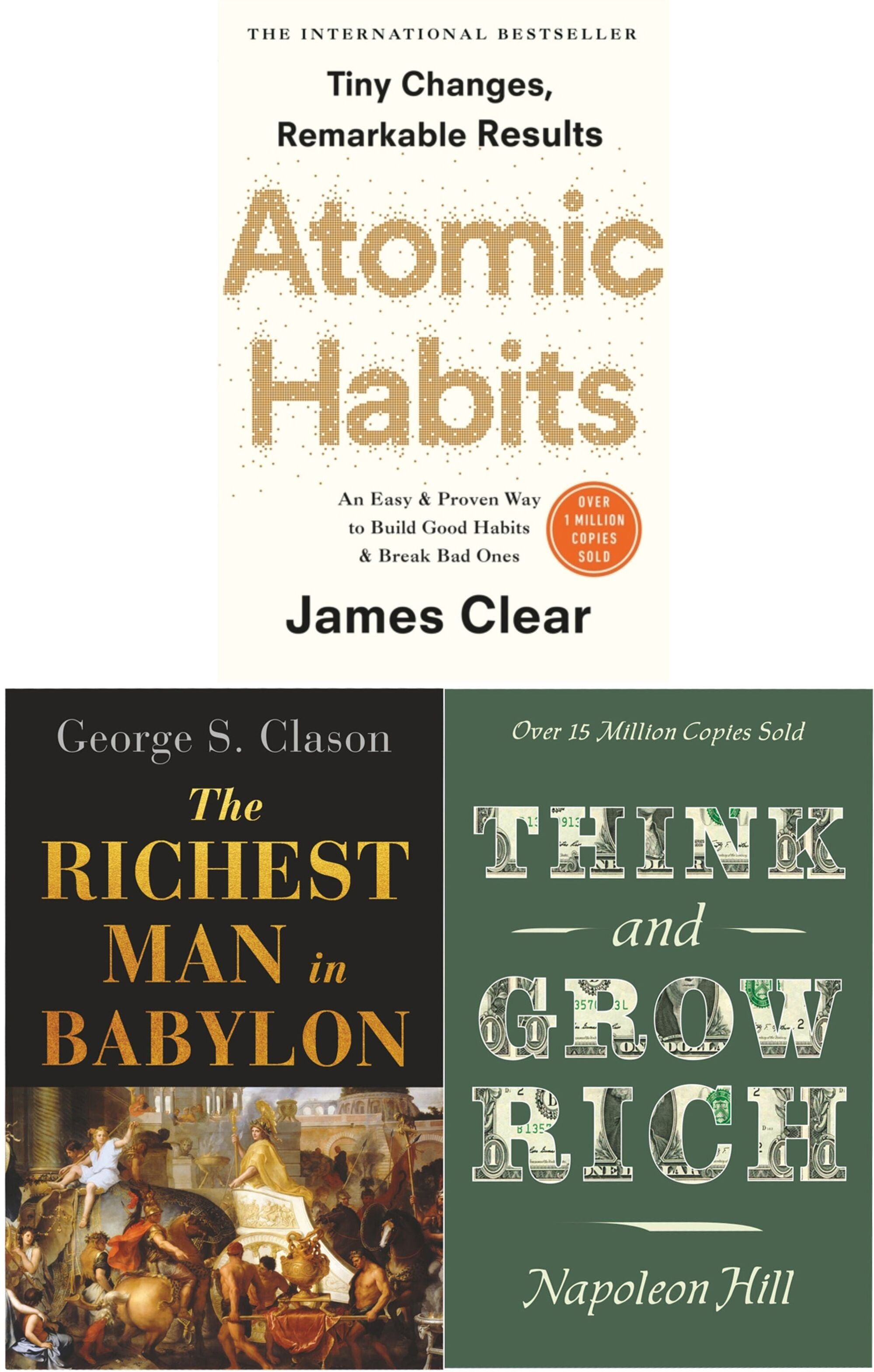
Cornerstone/Wilco Atomic Habits, The Richest Man in Babylon & Think and Grow Rich – 3 Book Collection Set Personal Finance, Wealth & Self-Development ClassicsTransform your habits, mindset, and financial future with this powerful 3-book collection set, featuring three of the most influential books on success, wealth, and personal growth. This essential bundle includes: Atomic Habits by James Clear – Discover how small, consistent habits can lead to extraordinary results and lasting success. The Richest Man in Babylon by George S. Clason – Learn timeless principles of saving, investing, and building wealth through simple financial wisdom. Think and Grow Rich by Napoleon Hill – Unlock the mindset and strategies behind achievement, success, and financial independence. Together, these books provide a complete guide to building better habits, mastering your finances, and developing a success-driven mindset. Ideal for entrepreneurs, professionals, students, and anyone looking to improve their life. Why Readers Love This Collection: Includes 3 bestselling self-help and finance classics Covers habits, wealth-building, and success mindset Practical, timeless advice for real-life results Suitable for beginners and experienced readers Perfect gift for motivation and personal growth A must-have bundle for anyone serious about success, this collection offers proven strategies for achieving long-term growth and financial freedom.14,99 £*Shipping: 2,99 £Secure redirect to the provider
-
Flythe Consulting Arika Wall Sconce Pair, Pair, Satin NickelThe Arika Wall Sconce Pair is an adaptation of old-fashioned light fixtures, with an appealing design that will complement modern decor. The lacquered solid brass sconces have 4.75 dia.x7 H clear glass hurricanes that will protect your standard...179,00 $*Shipping: 22,95 $Secure redirect to the provider
-
Officially Licensed Gas Safe Gas Safe® Warning Advisory Report Form - Pad of 50Our Gas Safe Premium Warning Advisory Record Pad features 50 sets of 3-part forms, now fully updated to comply with the latest Danger Do Not Use Warning Notice GSR-DDNUPAD1 regulations. These Licensed Gas Safe Premium Pads are thoughtfully designed in a landscape format, making it easier for engineers to complete records on-site. Each pad includes double covers with a writing guard, reinforced with triple stitching and binding tape for enhanced durability. The forms are individually numbered and perforated on the left-hand side, ensuring the spine remains intact when sections are removed. This pad is ideal for documenting unsafe gas appliance or installation faults, including Immediately Dangerous (ID), At Risk (AR), and Not to Current Standards (NCS) situations. Copies are provided for the gas user, the gas engineer/business, and, when necessary, the landlord.13,50 £*Shipping: 5,00 £Secure redirect to the provider
-
What destroys methane?
Methane can be destroyed through a process called oxidation, where it reacts with oxygen in the atmosphere to form carbon dioxide and water. This process can occur naturally in the atmosphere, as well as through the action of certain bacteria in the soil and water. Additionally, methane can be destroyed through chemical reactions with other compounds, such as chlorine or hydroxyl radicals. These processes help to reduce the concentration of methane in the atmosphere, which is important for mitigating its impact on climate change. **
-
How is methane formed?
Methane is formed through a process called methanogenesis, which occurs in anaerobic (oxygen-free) environments such as wetlands, marshes, and the digestive systems of animals. Methanogenic microorganisms, such as archaea, break down organic matter in these environments, producing methane as a byproduct. This process involves the decomposition of organic materials, such as dead plants and animal waste, by bacteria in the absence of oxygen. As a result, methane is released into the atmosphere as a natural part of the carbon cycle. Additionally, methane can also be formed through human activities such as the production and transportation of natural gas, as well as through the decomposition of organic waste in landfills. **
-
Does cheese contain methane?
Yes, cheese does contain methane. Methane is a natural byproduct of the fermentation process that occurs during the production of cheese. It is produced by the bacteria that are used to ferment the milk and create the cheese. However, the amount of methane in cheese is relatively small compared to other sources of methane emissions in the environment. **
-
What is liquid methane?
Liquid methane is a colorless, odorless, and non-toxic liquid that is derived from natural gas. It has a boiling point of approximately -161 degrees Celsius and is commonly used as a fuel source for vehicles and industrial processes. It is also being explored as a potential energy source for future space missions due to its abundance on other planets, such as Mars and Titan. **
Similar search terms for Methane
-
APC Network Management Card 3 Remote Management AdapterA plug-in remote management adapter for APC UPS systems with integrated PowerChute Network Shutdown and environmental monitoring capabilities. Supports network connectivity up to 1 Gbps across 10Base-T, 100Base-TX, and 1000Base-T Ethernet protocols using TCP/IP and SMTP. Designed for compatibility with multiple APC Smart-UPS and Symmetra models.577,99 £*Shipping: 0,00 £Secure redirect to the provider
-
Flythe Consulting Brookville Wall Sconce Pair Antique Brass, Pair, Antique BrassThe Brookville Antique Brass Wall Sconce Pair uses simple design and a delicate aesthetic to create a truly elegant appeal. Each handcrafted, solid lacquered brass sconce has a scrolling arm, solid backplate, chain accents, and a 6 dia.x9 H etched...324,99 $*Shipping: 0,00 $Secure redirect to the provider
-
Flythe Consulting Jonetia Hurricane Wall Sconce Pair Satin Brass, Pair, Satin BrassThe Jonetia Satin Brass Hurricane Wall Sconce Pair proudly displays grandeur on your walls. These hand-forged, solid brass sconces feature a diamond design and fleur-de-lis motif. Sconces have a lacquered, satin brass finish that is done by hand. A...229,00 $*Shipping: 32,06 $Secure redirect to the provider
-
Simon & Schuster Money: A Story of Humanity by David McWilliams Economic History & Global Finance ExplainedIn Money: A Story of Humanity, renowned economist David McWilliams explores the fascinating history of money — not just as currency, but as a powerful force that has shaped human civilisation, relationships, technology, and global society. From ancient barter systems to cryptocurrency revolutions, McWilliams reveals how money reflects our values, ambitions, fears, politics, and culture.Rich with storytelling, sharp insights, and humour, this book makes complex economic ideas accessible, engaging, and deeply human. Perfect for readers who enjoy exploring how history, psychology, markets, and power intersect, Money: A Story of Humanity provides a fresh, eye-opening look at how money drives — and is driven by — human behaviour. Ideal for fans of Yuval Noah Harari, Tim Harford, Niall Ferguson, and Mary Beard.7,99 £*Shipping: 2,99 £Secure redirect to the provider
-
How is methane converted?
Methane can be converted through a process called steam reforming, which involves reacting methane with steam at high temperatures and pressures to produce hydrogen and carbon monoxide. Another method is methane combustion, where methane is burned in the presence of oxygen to produce carbon dioxide and water. Additionally, methane can be converted into methanol through a process called catalytic oxidation. These processes are important for converting methane into more useful and less environmentally impactful products. **
-
What are methane bacteria?
Methane bacteria, also known as methanogens, are a type of microorganism that produce methane as a byproduct of their metabolism. They are found in environments with low oxygen levels, such as wetlands, marshes, and the digestive tracts of animals. Methane bacteria play a crucial role in the global carbon cycle by converting organic matter into methane gas. This process is important for the decomposition of organic material and the production of renewable energy sources such as biogas. **
-
Why are methane molecules nonpolar?
Methane molecules are nonpolar because the molecule has a symmetrical tetrahedral shape with carbon at the center and four hydrogen atoms at the corners. This symmetrical arrangement results in an equal distribution of charge, with the carbon-hydrogen bonds being nonpolar covalent bonds. As a result, there are no significant differences in electronegativity between carbon and hydrogen, leading to a nonpolar molecule overall. **
-
Will methane gas kill us?
Methane gas itself is not typically lethal in small quantities, as it is non-toxic. However, in high concentrations, methane can displace oxygen in the air, leading to a lack of oxygen which can be dangerous. Additionally, methane is highly flammable and can pose a risk of explosion in enclosed spaces. Therefore, while methane gas may not directly kill us, it can still be a significant hazard if not properly managed. **
* All prices are inclusive of VAT and, if applicable, plus shipping costs. The offer information is based on the details provided by the respective shop and is updated through automated processes. Real-time updates do not occur, so deviations can occur in individual cases. ** Note: Parts of this content were created by AI.