Buy qfa.eu ?
We are moving the project
qfa.eu .
Are you interested in purchasing the domain
qfa.eu ?
domain@kv-gmbh.de · 0541-91531010
Buy qfa.eu ?
Was Yugoslavia a democracy?
Yugoslavia was officially a socialist federal republic, and its political system was based on the principles of self-management and workers' councils. While it had elements of a multi-party system and periodic elections, the Communist Party held a dominant position in the government and society. This limited the true democratic nature of the country, as the ruling party had significant control over political and social life. Therefore, while Yugoslavia had some democratic features, it did not fully function as a liberal democracy. **
What happened to Yugoslavia?
Yugoslavia was a country in Southeast Europe that existed from 1918 to 2003. It was formed after World War I and consisted of several different ethnic groups, including Serbs, Croats, and Bosniaks. However, ethnic tensions and political conflicts eventually led to the breakup of Yugoslavia in the 1990s. This breakup resulted in a series of violent conflicts, including the Bosnian War and the Kosovo War. By 2003, the remaining parts of Yugoslavia had all become independent nations, including Serbia, Croatia, Bosnia and Herzegovina, Montenegro, North Macedonia, and Slovenia. **
Similar search terms for Yugoslavia
Top-Angebote
Products related to Yugoslavia:
-
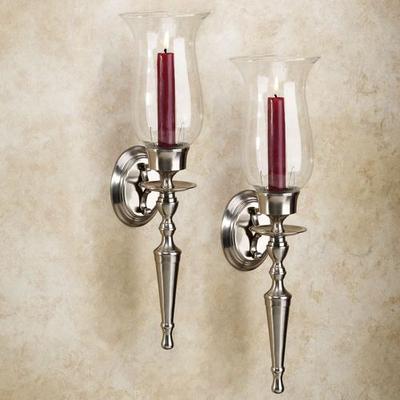
Flythe Consulting Arika Wall Sconce Pair, Pair, Satin NickelThe Arika Wall Sconce Pair is an adaptation of old-fashioned light fixtures, with an appealing design that will complement modern decor. The lacquered solid brass sconces have 4.75 dia.x7 H clear glass hurricanes that will protect your standard...179,00 $*Shipping: 22,95 $Secure redirect to the provider
-
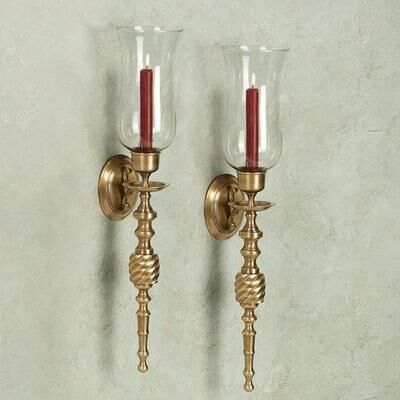
Flythe Consulting Jonetia Hurricane Wall Sconce Pair Satin Brass, Pair, Satin BrassThe Jonetia Satin Brass Hurricane Wall Sconce Pair proudly displays grandeur on your walls. These hand-forged, solid brass sconces feature a diamond design and fleur-de-lis motif. Sconces have a lacquered, satin brass finish that is done by hand. A...229,00 $*Shipping: 32,06 $Secure redirect to the provider
-
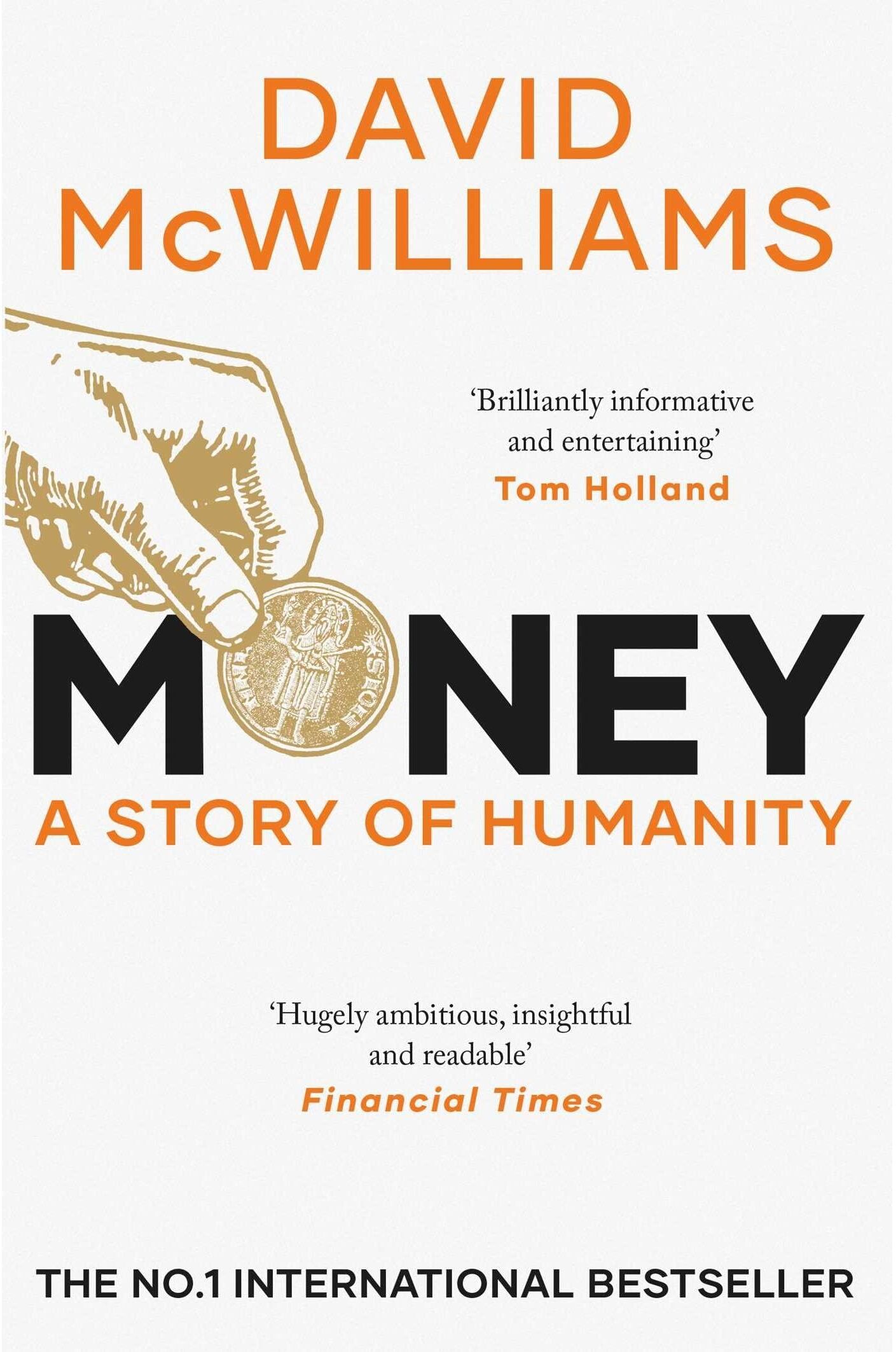
Simon & Schuster Money: A Story of Humanity by David McWilliams Economic History & Global Finance ExplainedIn Money: A Story of Humanity, renowned economist David McWilliams explores the fascinating history of money — not just as currency, but as a powerful force that has shaped human civilisation, relationships, technology, and global society. From ancient barter systems to cryptocurrency revolutions, McWilliams reveals how money reflects our values, ambitions, fears, politics, and culture.Rich with storytelling, sharp insights, and humour, this book makes complex economic ideas accessible, engaging, and deeply human. Perfect for readers who enjoy exploring how history, psychology, markets, and power intersect, Money: A Story of Humanity provides a fresh, eye-opening look at how money drives — and is driven by — human behaviour. Ideal for fans of Yuval Noah Harari, Tim Harford, Niall Ferguson, and Mary Beard.7,99 £*Shipping: 2,99 £Secure redirect to the provider
-
Inspire Essentials Lucky Cat Keychain Feng Shui Wealth Talisman Desk And Bag Charm Lucky Cat Keychain Feng Shui Wealth Talisman Desk And Bag CharmInvite luck prosperity and positive energy into your daily life with this meaningful lucky cat keychain. Inspired by traditional symbols of wealth and protection this compact charm is designed to go wherever you do. Whether used as a keychain or...34,98 $*Shipping: 0,00 $Secure redirect to the provider


-
What is Yugoslavia called today?
Yugoslavia is no longer a country. It dissolved in the early 1990s due to ethnic conflicts and is now split into several independent countries. These countries include Serbia, Croatia, Slovenia, Bosnia and Herzegovina, Montenegro, Kosovo, and North Macedonia. **
-
How would Yugoslavia look like today?
It is difficult to predict exactly how Yugoslavia would look like today as there are many factors to consider. However, it is possible that the country would have faced challenges due to its diverse ethnic and religious makeup. There may have been ongoing tensions between different groups, potentially leading to political instability and conflict. On the other hand, if the country had managed to maintain unity and stability, it could have been a strong player in the region with a diverse and vibrant culture. **
-
Which language was spoken in Yugoslavia?
The main language spoken in Yugoslavia was Serbo-Croatian, which is a South Slavic language. This language was a combination of Serbian and Croatian dialects and was used as the official language of the country. Other languages spoken in Yugoslavia included Slovenian, Macedonian, and Albanian, reflecting the diverse ethnic makeup of the country. **
-
What is the problem regarding Yugoslavia?
The problem regarding Yugoslavia is the ongoing ethnic and political tensions that have persisted since the breakup of the country in the 1990s. The region has experienced violent conflicts and wars, resulting in the loss of thousands of lives and the displacement of millions of people. The unresolved issues of ethnic nationalism, territorial disputes, and political instability continue to hinder the progress and stability of the region. Additionally, the lack of reconciliation and accountability for war crimes and human rights abuses further complicates efforts to achieve lasting peace and stability in the former Yugoslav states. **

Why does Yugoslavia no longer exist?
Yugoslavia no longer exists due to a combination of factors, including ethnic and nationalist tensions, economic difficulties, and the collapse of communism. The country was made up of multiple ethnic groups, including Serbs, Croats, and Bosnians, which led to internal conflicts and eventually the breakup of the country. Additionally, the fall of communism in Eastern Europe and the economic struggles that followed contributed to the disintegration of Yugoslavia. Ultimately, these factors led to the secession of various republics and the eventual dissolution of the country. **
Is Yugoslavia a world power today?
No, Yugoslavia is not a world power today. In fact, Yugoslavia as a political entity ceased to exist in the 1990s, breaking up into several independent countries including Serbia, Croatia, Bosnia and Herzegovina, Montenegro, North Macedonia, and Slovenia. These individual countries do not hold the same level of global influence or power as the former Yugoslavia once did. Therefore, Yugoslavia is not a world power today. **
Top-Angebote
Products related to Yugoslavia:
-
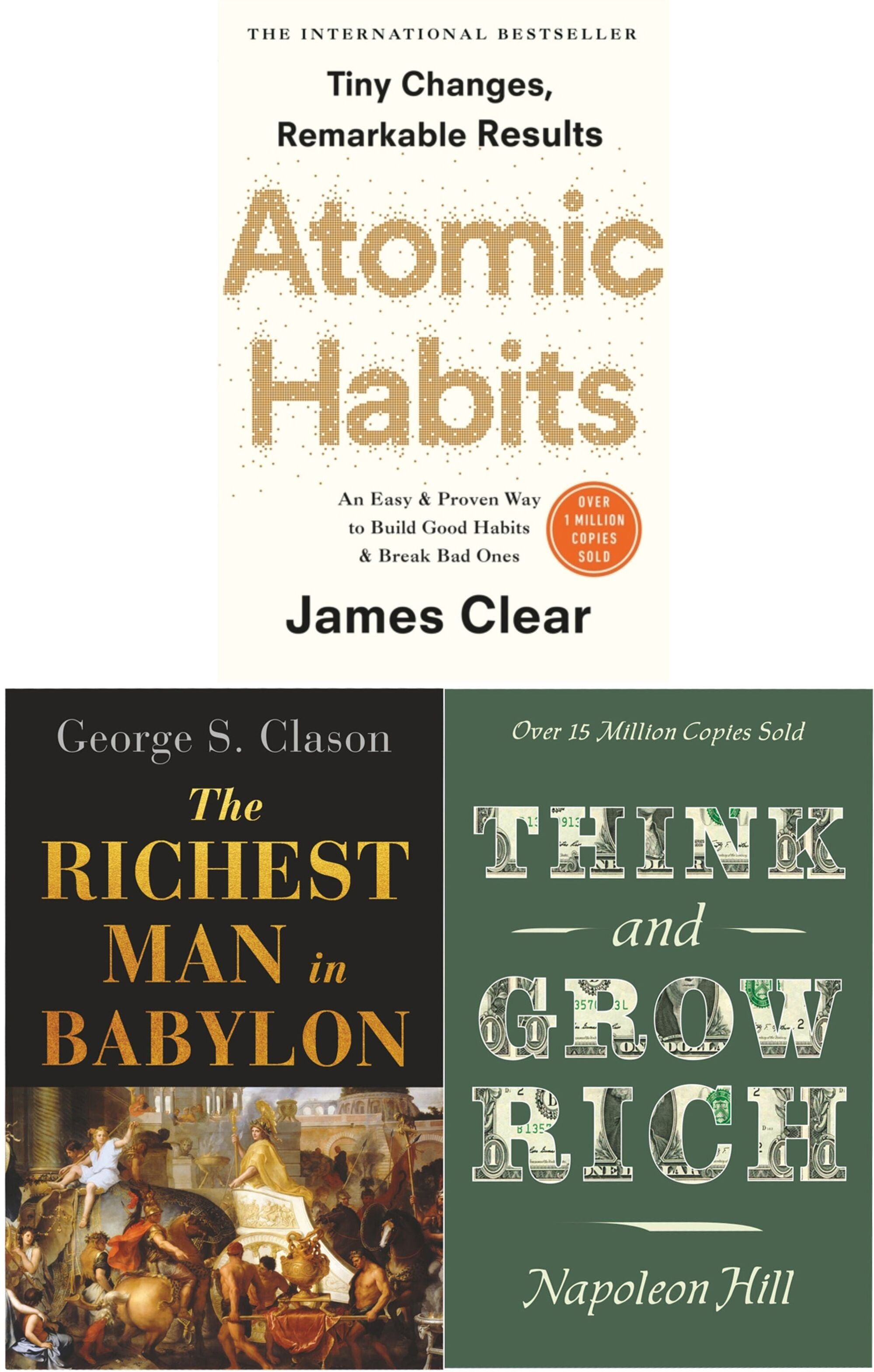
Cornerstone/Wilco Atomic Habits, The Richest Man in Babylon & Think and Grow Rich – 3 Book Collection Set Personal Finance, Wealth & Self-Development ClassicsTransform your habits, mindset, and financial future with this powerful 3-book collection set, featuring three of the most influential books on success, wealth, and personal growth. This essential bundle includes: Atomic Habits by James Clear – Discover how small, consistent habits can lead to extraordinary results and lasting success. The Richest Man in Babylon by George S. Clason – Learn timeless principles of saving, investing, and building wealth through simple financial wisdom. Think and Grow Rich by Napoleon Hill – Unlock the mindset and strategies behind achievement, success, and financial independence. Together, these books provide a complete guide to building better habits, mastering your finances, and developing a success-driven mindset. Ideal for entrepreneurs, professionals, students, and anyone looking to improve their life. Why Readers Love This Collection: Includes 3 bestselling self-help and finance classics Covers habits, wealth-building, and success mindset Practical, timeless advice for real-life results Suitable for beginners and experienced readers Perfect gift for motivation and personal growth A must-have bundle for anyone serious about success, this collection offers proven strategies for achieving long-term growth and financial freedom.14,99 £*Shipping: 2,99 £Secure redirect to the provider
-
Flythe Consulting Arika Wall Sconce Pair, Pair, Satin NickelThe Arika Wall Sconce Pair is an adaptation of old-fashioned light fixtures, with an appealing design that will complement modern decor. The lacquered solid brass sconces have 4.75 dia.x7 H clear glass hurricanes that will protect your standard...179,00 $*Shipping: 22,95 $Secure redirect to the provider
-
Flythe Consulting Jonetia Hurricane Wall Sconce Pair Satin Brass, Pair, Satin BrassThe Jonetia Satin Brass Hurricane Wall Sconce Pair proudly displays grandeur on your walls. These hand-forged, solid brass sconces feature a diamond design and fleur-de-lis motif. Sconces have a lacquered, satin brass finish that is done by hand. A...229,00 $*Shipping: 32,06 $Secure redirect to the provider
-
Was Yugoslavia a democracy?
Yugoslavia was officially a socialist federal republic, and its political system was based on the principles of self-management and workers' councils. While it had elements of a multi-party system and periodic elections, the Communist Party held a dominant position in the government and society. This limited the true democratic nature of the country, as the ruling party had significant control over political and social life. Therefore, while Yugoslavia had some democratic features, it did not fully function as a liberal democracy. **
-
What happened to Yugoslavia?
Yugoslavia was a country in Southeast Europe that existed from 1918 to 2003. It was formed after World War I and consisted of several different ethnic groups, including Serbs, Croats, and Bosniaks. However, ethnic tensions and political conflicts eventually led to the breakup of Yugoslavia in the 1990s. This breakup resulted in a series of violent conflicts, including the Bosnian War and the Kosovo War. By 2003, the remaining parts of Yugoslavia had all become independent nations, including Serbia, Croatia, Bosnia and Herzegovina, Montenegro, North Macedonia, and Slovenia. **
-
What is Yugoslavia called today?
Yugoslavia is no longer a country. It dissolved in the early 1990s due to ethnic conflicts and is now split into several independent countries. These countries include Serbia, Croatia, Slovenia, Bosnia and Herzegovina, Montenegro, Kosovo, and North Macedonia. **
-
How would Yugoslavia look like today?
It is difficult to predict exactly how Yugoslavia would look like today as there are many factors to consider. However, it is possible that the country would have faced challenges due to its diverse ethnic and religious makeup. There may have been ongoing tensions between different groups, potentially leading to political instability and conflict. On the other hand, if the country had managed to maintain unity and stability, it could have been a strong player in the region with a diverse and vibrant culture. **
Similar search terms for Yugoslavia
-
Simon & Schuster Money: A Story of Humanity by David McWilliams Economic History & Global Finance ExplainedIn Money: A Story of Humanity, renowned economist David McWilliams explores the fascinating history of money — not just as currency, but as a powerful force that has shaped human civilisation, relationships, technology, and global society. From ancient barter systems to cryptocurrency revolutions, McWilliams reveals how money reflects our values, ambitions, fears, politics, and culture.Rich with storytelling, sharp insights, and humour, this book makes complex economic ideas accessible, engaging, and deeply human. Perfect for readers who enjoy exploring how history, psychology, markets, and power intersect, Money: A Story of Humanity provides a fresh, eye-opening look at how money drives — and is driven by — human behaviour. Ideal for fans of Yuval Noah Harari, Tim Harford, Niall Ferguson, and Mary Beard.7,99 £*Shipping: 2,99 £Secure redirect to the provider
-
Inspire Essentials Lucky Cat Keychain Feng Shui Wealth Talisman Desk And Bag Charm Lucky Cat Keychain Feng Shui Wealth Talisman Desk And Bag CharmInvite luck prosperity and positive energy into your daily life with this meaningful lucky cat keychain. Inspired by traditional symbols of wealth and protection this compact charm is designed to go wherever you do. Whether used as a keychain or...34,98 $*Shipping: 0,00 $Secure redirect to the provider
-
Inspired Living Lucky Lying Cat Figurine Wealth Attracting Ornament For Office Desk & Home Decor Lucky Lying Cat Figurine Wealth Attracting Ornament For Office Desk & Home DecorSome days, the best kind of motivation is the quiet kindthe kind that makes you smile every time you glance at your desk. This charming lucky cat figurine is designed to bring a playful sense of ease while symbolizing prosperity and good fortune....23,97 $*Shipping: 0,00 $Secure redirect to the provider
-
Which language was spoken in Yugoslavia?
The main language spoken in Yugoslavia was Serbo-Croatian, which is a South Slavic language. This language was a combination of Serbian and Croatian dialects and was used as the official language of the country. Other languages spoken in Yugoslavia included Slovenian, Macedonian, and Albanian, reflecting the diverse ethnic makeup of the country. **
-
What is the problem regarding Yugoslavia?
The problem regarding Yugoslavia is the ongoing ethnic and political tensions that have persisted since the breakup of the country in the 1990s. The region has experienced violent conflicts and wars, resulting in the loss of thousands of lives and the displacement of millions of people. The unresolved issues of ethnic nationalism, territorial disputes, and political instability continue to hinder the progress and stability of the region. Additionally, the lack of reconciliation and accountability for war crimes and human rights abuses further complicates efforts to achieve lasting peace and stability in the former Yugoslav states. **
-
Why does Yugoslavia no longer exist?
Yugoslavia no longer exists due to a combination of factors, including ethnic and nationalist tensions, economic difficulties, and the collapse of communism. The country was made up of multiple ethnic groups, including Serbs, Croats, and Bosnians, which led to internal conflicts and eventually the breakup of the country. Additionally, the fall of communism in Eastern Europe and the economic struggles that followed contributed to the disintegration of Yugoslavia. Ultimately, these factors led to the secession of various republics and the eventual dissolution of the country. **
-
Is Yugoslavia a world power today?
No, Yugoslavia is not a world power today. In fact, Yugoslavia as a political entity ceased to exist in the 1990s, breaking up into several independent countries including Serbia, Croatia, Bosnia and Herzegovina, Montenegro, North Macedonia, and Slovenia. These individual countries do not hold the same level of global influence or power as the former Yugoslavia once did. Therefore, Yugoslavia is not a world power today. **
* All prices are inclusive of VAT and, if applicable, plus shipping costs. The offer information is based on the details provided by the respective shop and is updated through automated processes. Real-time updates do not occur, so deviations can occur in individual cases. ** Note: Parts of this content were created by AI.