Buy qfa.eu ?
We are moving the project
qfa.eu .
Are you interested in purchasing the domain
qfa.eu ?
domain@kv-gmbh.de · 0541-91531010
Buy qfa.eu ?
What distinguishes conditional probability from independent probability?
Conditional probability is the probability of an event occurring given that another event has already occurred. It takes into account the information about the occurrence of one event when calculating the probability of another event. Independent probability, on the other hand, is the probability of one event occurring without any influence from the occurrence of another event. In other words, conditional probability is influenced by the occurrence of a specific event, while independent probability is not influenced by any other event. **
What is a probability space in probability theory?
A probability space in probability theory consists of three components: a sample space, an event space, and a probability measure. The sample space is the set of all possible outcomes of an experiment, the event space is a collection of subsets of the sample space representing different events, and the probability measure assigns a probability to each event in the event space. Together, these components define the mathematical framework for analyzing the likelihood of different outcomes in a probabilistic setting. **

Similar search terms for Probability
Top-Angebote
Products related to Probability:
-
Flythe Consulting Arika Wall Sconce Pair, Pair, Satin NickelThe Arika Wall Sconce Pair is an adaptation of old-fashioned light fixtures, with an appealing design that will complement modern decor. The lacquered solid brass sconces have 4.75 dia.x7 H clear glass hurricanes that will protect your standard...179,00 $*Shipping: 22,95 $Secure redirect to the provider
-
APC Network Management Card 3 Remote Management AdapterA plug-in remote management adapter for APC UPS systems with integrated PowerChute Network Shutdown and environmental monitoring capabilities. Supports network connectivity up to 1 Gbps across 10Base-T, 100Base-TX, and 1000Base-T Ethernet protocols using TCP/IP and SMTP. Designed for compatibility with multiple APC Smart-UPS and Symmetra models.577,99 £*Shipping: 0,00 £Secure redirect to the provider
-
Flythe Consulting Jonetia Hurricane Wall Sconce Pair Satin Brass, Pair, Satin BrassThe Jonetia Satin Brass Hurricane Wall Sconce Pair proudly displays grandeur on your walls. These hand-forged, solid brass sconces feature a diamond design and fleur-de-lis motif. Sconces have a lacquered, satin brass finish that is done by hand. A...229,00 $*Shipping: 32,06 $Secure redirect to the provider
-
Officially Licensed Gas Safe Gas Safe® Warning Advisory Report Form - Pad of 50Our Gas Safe Premium Warning Advisory Record Pad features 50 sets of 3-part forms, now fully updated to comply with the latest Danger Do Not Use Warning Notice GSR-DDNUPAD1 regulations. These Licensed Gas Safe Premium Pads are thoughtfully designed in a landscape format, making it easier for engineers to complete records on-site. Each pad includes double covers with a writing guard, reinforced with triple stitching and binding tape for enhanced durability. The forms are individually numbered and perforated on the left-hand side, ensuring the spine remains intact when sections are removed. This pad is ideal for documenting unsafe gas appliance or installation faults, including Immediately Dangerous (ID), At Risk (AR), and Not to Current Standards (NCS) situations. Copies are provided for the gas user, the gas engineer/business, and, when necessary, the landlord.13,50 £*Shipping: 5,00 £Secure redirect to the provider




-
What are the rules of probability in probability theory?
In probability theory, the rules of probability govern how probabilities are calculated and combined. The rules include the addition rule, which states that the probability of either of two mutually exclusive events occurring is the sum of their individual probabilities. The multiplication rule is used to calculate the probability of two independent events both occurring. Additionally, the complement rule states that the probability of an event not occurring is 1 minus the probability of the event occurring. These rules are fundamental in determining the likelihood of different outcomes in various situations. **
-
How do you correctly calculate probability in probability theory?
In probability theory, the probability of an event occurring is calculated by dividing the number of favorable outcomes by the total number of possible outcomes. This can be represented as P(A) = (Number of favorable outcomes) / (Total number of possible outcomes). It is important to ensure that all possible outcomes are accounted for and that the favorable outcomes are correctly identified. Additionally, the probability of multiple events occurring can be calculated using the multiplication rule for independent events or the addition rule for mutually exclusive events. **
-
What is the probability in percent in probability theory?
In probability theory, the probability of an event is a measure of the likelihood that the event will occur. It is usually expressed as a number between 0 and 1, or as a percentage between 0% and 100%. A probability of 0% means the event is impossible, while a probability of 100% means the event is certain to occur. The probability of an event can be calculated using various methods, such as counting outcomes, using probability distributions, or applying statistical techniques. **
-
With what probability?
With what probability? The probability of an event occurring is a measure of how likely it is to happen, expressed as a number between 0 and 1. The probability of an event that is certain to happen is 1, while the probability of an event that is impossible is 0. Probabilities between 0 and 1 indicate the likelihood of an event occurring, with higher probabilities indicating a greater likelihood. **


What is the probability of a die in probability theory?
In probability theory, the probability of a die refers to the likelihood of a specific outcome occurring when rolling a fair six-sided die. Since there are six possible outcomes (numbers 1 through 6) and each outcome has an equal chance of occurring, the probability of rolling any specific number is 1/6 or approximately 16.67%. This means that when rolling a fair die, the probability of rolling any particular number is 1 out of 6. **
What is the expected value and probability in probability theory?
In probability theory, the expected value is a measure of the central tendency of a random variable. It represents the average value of a random variable over a large number of trials. The expected value is calculated by multiplying each possible outcome by its probability and then summing up these products. Probability, on the other hand, is a measure of the likelihood of a particular event or outcome occurring. It represents the ratio of the number of favorable outcomes to the total number of possible outcomes. Probability theory is used to analyze and predict the likelihood of different outcomes in various situations. **
Top-Angebote
Products related to Probability:
-
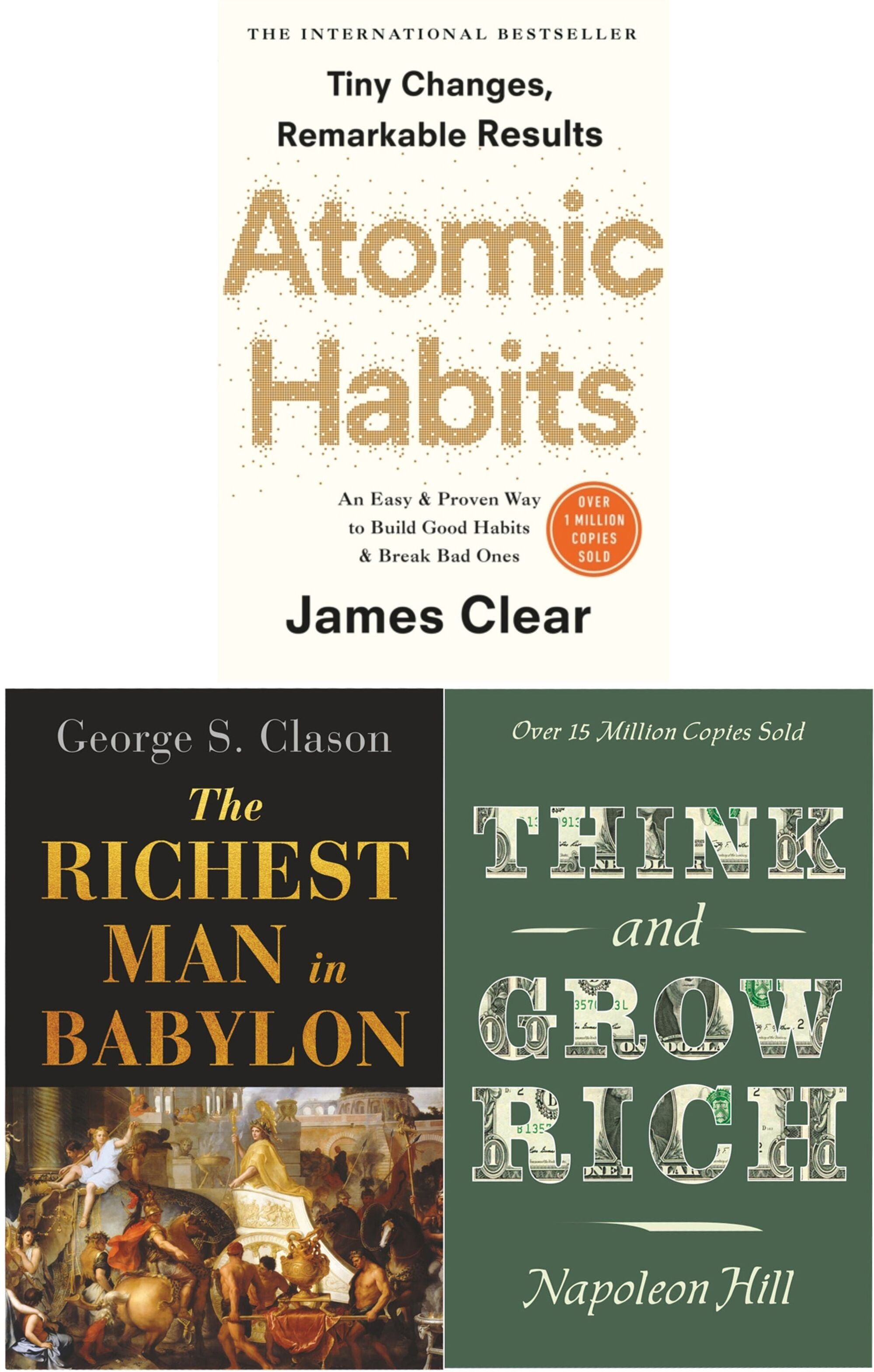
Cornerstone/Wilco Atomic Habits, The Richest Man in Babylon & Think and Grow Rich – 3 Book Collection Set Personal Finance, Wealth & Self-Development ClassicsTransform your habits, mindset, and financial future with this powerful 3-book collection set, featuring three of the most influential books on success, wealth, and personal growth. This essential bundle includes: Atomic Habits by James Clear – Discover how small, consistent habits can lead to extraordinary results and lasting success. The Richest Man in Babylon by George S. Clason – Learn timeless principles of saving, investing, and building wealth through simple financial wisdom. Think and Grow Rich by Napoleon Hill – Unlock the mindset and strategies behind achievement, success, and financial independence. Together, these books provide a complete guide to building better habits, mastering your finances, and developing a success-driven mindset. Ideal for entrepreneurs, professionals, students, and anyone looking to improve their life. Why Readers Love This Collection: Includes 3 bestselling self-help and finance classics Covers habits, wealth-building, and success mindset Practical, timeless advice for real-life results Suitable for beginners and experienced readers Perfect gift for motivation and personal growth A must-have bundle for anyone serious about success, this collection offers proven strategies for achieving long-term growth and financial freedom.14,99 £*Shipping: 2,99 £Secure redirect to the provider
-
Flythe Consulting Arika Wall Sconce Pair, Pair, Satin NickelThe Arika Wall Sconce Pair is an adaptation of old-fashioned light fixtures, with an appealing design that will complement modern decor. The lacquered solid brass sconces have 4.75 dia.x7 H clear glass hurricanes that will protect your standard...179,00 $*Shipping: 22,95 $Secure redirect to the provider
-
APC Network Management Card 3 Remote Management AdapterA plug-in remote management adapter for APC UPS systems with integrated PowerChute Network Shutdown and environmental monitoring capabilities. Supports network connectivity up to 1 Gbps across 10Base-T, 100Base-TX, and 1000Base-T Ethernet protocols using TCP/IP and SMTP. Designed for compatibility with multiple APC Smart-UPS and Symmetra models.577,99 £*Shipping: 0,00 £Secure redirect to the provider
-
What distinguishes conditional probability from independent probability?
Conditional probability is the probability of an event occurring given that another event has already occurred. It takes into account the information about the occurrence of one event when calculating the probability of another event. Independent probability, on the other hand, is the probability of one event occurring without any influence from the occurrence of another event. In other words, conditional probability is influenced by the occurrence of a specific event, while independent probability is not influenced by any other event. **
-
What is a probability space in probability theory?
A probability space in probability theory consists of three components: a sample space, an event space, and a probability measure. The sample space is the set of all possible outcomes of an experiment, the event space is a collection of subsets of the sample space representing different events, and the probability measure assigns a probability to each event in the event space. Together, these components define the mathematical framework for analyzing the likelihood of different outcomes in a probabilistic setting. **
-
What are the rules of probability in probability theory?
In probability theory, the rules of probability govern how probabilities are calculated and combined. The rules include the addition rule, which states that the probability of either of two mutually exclusive events occurring is the sum of their individual probabilities. The multiplication rule is used to calculate the probability of two independent events both occurring. Additionally, the complement rule states that the probability of an event not occurring is 1 minus the probability of the event occurring. These rules are fundamental in determining the likelihood of different outcomes in various situations. **
-
How do you correctly calculate probability in probability theory?
In probability theory, the probability of an event occurring is calculated by dividing the number of favorable outcomes by the total number of possible outcomes. This can be represented as P(A) = (Number of favorable outcomes) / (Total number of possible outcomes). It is important to ensure that all possible outcomes are accounted for and that the favorable outcomes are correctly identified. Additionally, the probability of multiple events occurring can be calculated using the multiplication rule for independent events or the addition rule for mutually exclusive events. **
Similar search terms for Probability
-
Flythe Consulting Jonetia Hurricane Wall Sconce Pair Satin Brass, Pair, Satin BrassThe Jonetia Satin Brass Hurricane Wall Sconce Pair proudly displays grandeur on your walls. These hand-forged, solid brass sconces feature a diamond design and fleur-de-lis motif. Sconces have a lacquered, satin brass finish that is done by hand. A...229,00 $*Shipping: 32,06 $Secure redirect to the provider
-
Officially Licensed Gas Safe Gas Safe® Warning Advisory Report Form - Pad of 50Our Gas Safe Premium Warning Advisory Record Pad features 50 sets of 3-part forms, now fully updated to comply with the latest Danger Do Not Use Warning Notice GSR-DDNUPAD1 regulations. These Licensed Gas Safe Premium Pads are thoughtfully designed in a landscape format, making it easier for engineers to complete records on-site. Each pad includes double covers with a writing guard, reinforced with triple stitching and binding tape for enhanced durability. The forms are individually numbered and perforated on the left-hand side, ensuring the spine remains intact when sections are removed. This pad is ideal for documenting unsafe gas appliance or installation faults, including Immediately Dangerous (ID), At Risk (AR), and Not to Current Standards (NCS) situations. Copies are provided for the gas user, the gas engineer/business, and, when necessary, the landlord.13,50 £*Shipping: 5,00 £Secure redirect to the provider
-
Simon & Schuster Money: A Story of Humanity by David McWilliams Economic History & Global Finance ExplainedIn Money: A Story of Humanity, renowned economist David McWilliams explores the fascinating history of money — not just as currency, but as a powerful force that has shaped human civilisation, relationships, technology, and global society. From ancient barter systems to cryptocurrency revolutions, McWilliams reveals how money reflects our values, ambitions, fears, politics, and culture.Rich with storytelling, sharp insights, and humour, this book makes complex economic ideas accessible, engaging, and deeply human. Perfect for readers who enjoy exploring how history, psychology, markets, and power intersect, Money: A Story of Humanity provides a fresh, eye-opening look at how money drives — and is driven by — human behaviour. Ideal for fans of Yuval Noah Harari, Tim Harford, Niall Ferguson, and Mary Beard.7,99 £*Shipping: 2,99 £Secure redirect to the provider
-
Inspire Essentials Lucky Cat Keychain Feng Shui Wealth Talisman Desk And Bag Charm Lucky Cat Keychain Feng Shui Wealth Talisman Desk And Bag CharmInvite luck prosperity and positive energy into your daily life with this meaningful lucky cat keychain. Inspired by traditional symbols of wealth and protection this compact charm is designed to go wherever you do. Whether used as a keychain or...34,98 $*Shipping: 0,00 $Secure redirect to the provider
-
What is the probability in percent in probability theory?
In probability theory, the probability of an event is a measure of the likelihood that the event will occur. It is usually expressed as a number between 0 and 1, or as a percentage between 0% and 100%. A probability of 0% means the event is impossible, while a probability of 100% means the event is certain to occur. The probability of an event can be calculated using various methods, such as counting outcomes, using probability distributions, or applying statistical techniques. **
-
With what probability?
With what probability? The probability of an event occurring is a measure of how likely it is to happen, expressed as a number between 0 and 1. The probability of an event that is certain to happen is 1, while the probability of an event that is impossible is 0. Probabilities between 0 and 1 indicate the likelihood of an event occurring, with higher probabilities indicating a greater likelihood. **
-
What is the probability of a die in probability theory?
In probability theory, the probability of a die refers to the likelihood of a specific outcome occurring when rolling a fair six-sided die. Since there are six possible outcomes (numbers 1 through 6) and each outcome has an equal chance of occurring, the probability of rolling any specific number is 1/6 or approximately 16.67%. This means that when rolling a fair die, the probability of rolling any particular number is 1 out of 6. **
-
What is the expected value and probability in probability theory?
In probability theory, the expected value is a measure of the central tendency of a random variable. It represents the average value of a random variable over a large number of trials. The expected value is calculated by multiplying each possible outcome by its probability and then summing up these products. Probability, on the other hand, is a measure of the likelihood of a particular event or outcome occurring. It represents the ratio of the number of favorable outcomes to the total number of possible outcomes. Probability theory is used to analyze and predict the likelihood of different outcomes in various situations. **
* All prices are inclusive of VAT and, if applicable, plus shipping costs. The offer information is based on the details provided by the respective shop and is updated through automated processes. Real-time updates do not occur, so deviations can occur in individual cases. ** Note: Parts of this content were created by AI.